Compare and book the best hotels across China — from luxury Shanghai hotels to budget Beijing accommodation
China offers an extraordinary range of accommodation options — from international luxury hotel chains in Beijing and Shanghai to boutique guesthouses in ancient water towns, from beachfront resorts in Sanya to business hotels near high-speed rail stations. Whether you're seeking cheap hotels in Beijing for a backpacking adventure or luxury hotels in Shanghai for a premium city break, China's hospitality sector caters to every travel style and budget.
China Glocal connects you with trusted hotel booking platforms that aggregate thousands of verified properties across mainland China. We act as an intermediary, helping you compare real-time availability, transparent pricing, and genuine guest reviews. Your hotel reservation agreement is made directly with the accommodation provider or booking platform — we simply make it easier to discover and book the right place to stay.
Booking China accommodation can be complex for international travelers — language barriers, unfamiliar payment methods, limited international booking platforms, and varying service standards. China Glocal simplifies the process by connecting you with global hotel aggregators that specialize in China properties.
China's vast geography encompasses everything from coastal resort cities to mountain retreats, from ultra-modern megacities to ancient cultural capitals. Here's where international travelers most frequently book hotels in China:
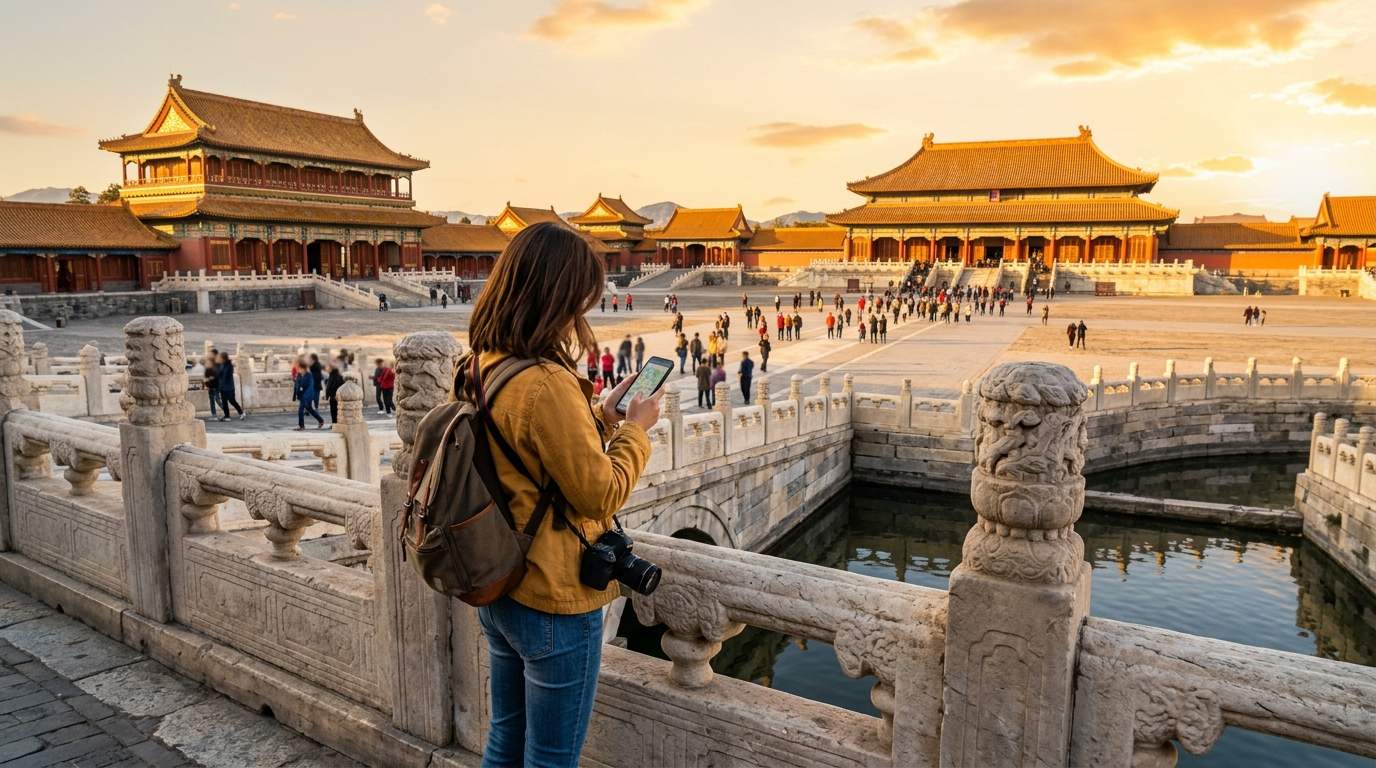
Beijing, China's capital, blends imperial history with modern infrastructure. Hotels in Beijing range from luxury properties near the Forbidden City to budget hostels in hutong neighborhoods. Popular areas include Dongcheng (close to Tiananmen Square and major attractions), Chaoyang (business district with international hotels), and Xicheng (cultural quarter near Beihai Park). Cheap hotels in Beijing are abundant in university districts and near metro stations, while five-star chains cluster around Wangfujing and the CBD.
Shanghai offers China's most diverse hotel market. Luxury hotels in Shanghai line the Bund waterfront with views of the Pudong skyline, while boutique hotels occupy renovated art-deco buildings in the French Concession. Hongqiao and Pudong districts serve business travelers with airport-adjacent hotels. Budget options concentrate in Jing'an and Yangpu. Shanghai hotels typically offer the highest service standards in China, with most staff speaking English and familiar with international guest expectations.
Sanya, on Hainan Island, is China's premier beach destination. Sanya hotels include all-inclusive resorts, beachfront villas, and family-friendly properties along Yalong Bay, Haitang Bay, and Dadonghai Beach. Most resorts offer direct beach access, multiple restaurants, spa facilities, and water sports. Peak season (November–March) sees higher rates; summer offers better value with warm waters ideal for swimming.
Guangzhou serves as southern China's transportation and trade hub. Hotels cluster near the Canton Fair complex, Tianhe business district, and Yuexiu cultural center. Many properties cater to business travelers with meeting facilities and proximity to the metro network. Budget hotels are plentiful near railway stations.
Chengdu hotels provide a comfortable base for exploring Sichuan Province. Properties range from international chains in Tianfu Square to traditional guesthouses in Kuanzhai Alley. Most visitors book hotels near the Giant Panda Research Base or in Jinjiang District for easy access to Sichuan cuisine and nightlife.
Xi'an hotels serve visitors to the Terracotta Warriors and ancient Silk Road sites. Accommodation options include luxury hotels inside the city wall, boutique properties in the Muslim Quarter, and budget guesthouses near the Bell Tower. Many hotels offer tour desk services for Terracotta Army day trips.
Understanding China's accommodation categories helps you choose the right hotel for your trip:
Major cities host Hilton, Marriott, Hyatt, InterContinental, Shangri-La, and other global brands. These luxury hotels in Shanghai, Beijing, and other tier-one cities offer Western-standard service, English-speaking staff, international restaurants, executive lounges, and loyalty program benefits. Expect consistent quality but premium pricing.
Chinese hotel chains like Jin Jiang, Huazhu, and BTG operate thousands of properties nationwide. Mid-range brands (such as Vienna Hotels, Home Inn Premium) offer excellent value with modern facilities, though English support may be limited outside major cities.
Renovated courtyard houses in Beijing, art-deco mansions in Shanghai, and traditional water-town guesthouses offer unique accommodation experiences. These properties blend historical architecture with modern comforts, often featuring smaller room counts and personalized service.
Clustered near railway stations, airports, and convention centers, business hotels prioritize functionality over atmosphere. They offer reliable WiFi, work desks, meeting rooms, and proximity to transportation — ideal for short business trips or transit stays.
For longer stays, serviced apartments provide kitchen facilities, washing machines, and separate living areas. Popular with expatriates and extended business travelers, these properties offer hotel services (cleaning, reception) with residential comfort.
Backpacker hostels operate in most tourist cities, offering dormitory beds and private rooms at low rates. Many include communal kitchens, social areas, and tour booking services. Budget guesthouses near universities and train stations provide basic private rooms for travelers prioritizing cost over amenities.

Booking hotels in China requires understanding local practices and regulations that differ from Western markets:
All hotels in China must register foreign guests with local police within 24 hours of check-in. Licensed hotels handle this automatically — you'll simply provide your passport at reception. Budget guesthouses and unlicensed properties may not accept foreign guests; always confirm registration capability when booking off-platform.
Chinese cities are vast. Book hotels near metro stations to minimize taxi costs and travel time. Check the metro map before booking — a hotel "near" an attraction might still be 45 minutes away by subway. Beijing and Shanghai metro systems are extensive and reliable; smaller cities may have limited coverage.
International booking platforms accept Visa, Mastercard, and PayPal. If booking directly with Chinese hotels, prepare for limited international card acceptance — many properties prefer Chinese payment apps (WeChat Pay, Alipay) or cash. Booking through aggregators eliminates payment complications.
Free cancellation policies are less common in China than in Western markets, particularly for budget and mid-range hotels. Peak season bookings (Chinese New Year, October Golden Week, summer holidays) often carry strict no-refund policies. Always check cancellation terms before confirming.
English proficiency varies dramatically. Five-star hotels in major cities typically have English-speaking staff; budget hotels outside tier-one cities may have no English support. Save your hotel's Chinese address and phone number for taxi drivers. Translation apps are essential for check-in questions at smaller properties.
Most hotels offer WiFi, but quality varies. Luxury hotels provide fast, reliable connections; budget properties may have slow or intermittent service. Note that China's internet is behind the Great Firewall — Western services (Google, Facebook, WhatsApp) are blocked unless you use a VPN. Consider booking an eSIM with VPN access for seamless connectivity.
Many Chinese hotels include breakfast, but expect Chinese-style buffets (congee, noodles, steamed buns, pickles) rather than Western options. International hotels offer both Chinese and Western breakfast items. Budget hotels may serve minimal breakfast or charge extra for the meal.
Hotel rates in China fluctuate based on domestic travel patterns, festivals, and regional seasons:
Chinese New Year (January/February), October Golden Week, and summer holidays (July–August) see massive domestic travel. Hotel prices double or triple, availability drops, and popular destinations sell out months in advance. If traveling during these periods, book hotels at least 60 days ahead.
April–May and September–October (outside Golden Week) offer pleasant weather, lower hotel rates, and fewer crowds. Beijing hotels and Shanghai hotels drop prices by 20–30% compared to peak periods. This is the ideal booking window for both value and experience quality.
November–March brings cold weather in northern China (Beijing, Xi'an) and the best beach weather in Sanya. Beijing hotels offer deep discounts in winter, while Sanya hotels reach peak pricing. Southern cities (Guangzhou, Shenzhen) maintain moderate rates year-round due to mild winters.
Business hotels in tier-one cities see weekday demand from corporate travelers. Rates often drop 30–40% on weekends — consider Friday–Sunday stays in Beijing, Shanghai, and Guangzhou business districts for significant savings.
| City | Neighborhood | Hotel Type | Best For |
|---|---|---|---|
| Beijing | Dongcheng District | Luxury & Boutique | Forbidden City, Tiananmen, cultural attractions |
| Beijing | Chaoyang CBD | Business & International Chains | Business travelers, expat dining, nightlife |
| Beijing | Haidian University District | Budget & Hostels | Cost-conscious travelers, near Summer Palace |
| Shanghai | The Bund (Huangpu) | Luxury & Heritage | Waterfront views, colonial architecture, shopping |
| Shanghai | French Concession (Xuhui) | Boutique & Mid-Range | Cafes, art galleries, tree-lined streets |
| Shanghai | Pudong (Lujiazui) | Modern Business Hotels | Skyscraper views, near Pudong Airport |
| Sanya | Yalong Bay | Luxury Beach Resorts | Premium beaches, water sports, spa retreats |
| Sanya | Haitang Bay | Family Resorts | Duty-free shopping, family-friendly facilities |
| Sanya | Dadonghai | Mid-Range & Budget | Affordable beach access, backpacker scene |
| Guangzhou | Tianhe District | Business & Shopping Hotels | Canton Fair, shopping malls, metro hub |
| Chengdu | Jinjiang District | Mid-Range & International | City center, Sichuan restaurants, nightlife |
| Xi'an | Inside City Wall | Heritage & Boutique | Historic atmosphere, Muslim Quarter, cycling |
Hotels are just one piece of your China trip. China Glocal connects you with all essential services through trusted local providers:
Rent a car in Sanya and other Chinese cities with verified local agencies
Compare Car Rentals →
Stay connected with hassle-free eSIM for China — includes VPN access
Get Your eSIM →
Find the best flight deals to Beijing, Shanghai, Guangzhou, and beyond
Search Flights →
Protect your trip with comprehensive coverage for China travel
Get Insured →Yes, all foreign visitors must register with local police within 24 hours of arrival in China. Licensed hotels handle this automatically during check-in — you simply provide your passport and visa information. The hotel submits registration electronically to authorities. Unlicensed guesthouses and private rentals may not be authorized to register foreign guests, so always book through verified accommodation platforms to ensure compliance.
Budget hotels in Beijing are generally safe, provided they're licensed to accept foreign guests. Check guest reviews for feedback on cleanliness, security, and foreign visitor experience. Most budget hotels near universities and metro stations offer basic but adequate facilities. Avoid extremely cheap unlicensed guesthouses — these may not register foreign guests properly, potentially causing visa complications.
Beijing hotels tend to emphasize cultural heritage and proximity to historical sites, with many properties in renovated courtyard houses or near imperial attractions. Shanghai hotels focus on modern luxury and cosmopolitan style, with stronger international hotel chain presence and higher service standards. Shanghai hotels typically have better English support and more familiarity with Western guest expectations. Beijing offers more budget options in traditional neighborhoods; Shanghai skews toward mid-range and luxury properties in trendy districts.
Chinese New Year is peak season for Sanya hotels — rates typically triple compared to low season, and beachfront resorts sell out months in advance. To minimize costs: book 90+ days ahead for early-bird rates, consider hotels in Dadonghai (more affordable than Yalong Bay), or visit during shoulder months (November or March) instead of February. Expect premium pricing regardless — Sanya hotels during CNY are among China's most expensive accommodation.
Yes, all luxury hotels in Shanghai and other major Chinese cities accept Visa, Mastercard, and American Express. However, when booking through international aggregators, you typically prepay online — the hotel simply verifies your card for incidentals. Mid-range and budget hotels may have limited international card acceptance for direct bookings; using booking platforms eliminates this issue by handling payment in your currency.
Luxury hotels offer full international standards: English-speaking concierge, fitness centers, multiple restaurants, spas, airport shuttles. Mid-range hotels typically include WiFi, air conditioning, private bathrooms, and basic toiletries — breakfast may or may not be included. Budget hotels provide WiFi and air conditioning but may lack toiletries, English support, or elevators. Slippers and electric kettles are standard even in budget properties. Bathtubs are less common than showers except in luxury hotels.
For ordinary travel periods, booking 2–4 weeks ahead secures good rates and availability. Major holidays require 60–90 days advance booking: Chinese New Year (January/February), October Golden Week, and summer peak (July–August). Business hotels in tier-one cities offer last-minute availability most of the year, but leisure destinations like Sanya, Lijiang, and Zhangjiajie sell out during peak seasons. Shoulder season travel (April–May, September–October) provides flexibility for shorter booking windows.
Hotel WiFi in China is subject to the Great Firewall — Google, Facebook, WhatsApp, and many Western services are blocked. Some five-star international hotels offer VPN-enabled WiFi for guests, but this is uncommon. Most travelers use personal VPN subscriptions or eSIMs with built-in VPN access for unrestricted internet. Hotel business centers may have computers with limited international access, but mobile VPN solutions are more reliable.
All-inclusive resorts are less common in China than in Southeast Asia or the Caribbean, but Sanya beach resorts increasingly offer all-inclusive packages covering meals, beverages, and activities. Most Chinese hotels operate on room-only or bed-and-breakfast models. Club Med operates family-oriented all-inclusive resorts in several Chinese locations. When comparing Sanya hotels, check whether meal plans are optional add-ons or bundled — a la carte dining at resort restaurants can significantly increase costs.
Standard checkout time at Chinese hotels is 12:00 noon, with check-in from 14:00 (2:00 PM). Budget hotels may have earlier checkout (10:00 or 11:00) and later check-in times. Late checkout typically costs 50% of the nightly rate for extensions until 18:00, or the full nightly rate for extensions beyond 18:00. Business hotels in major cities often accommodate early arrivals with luggage storage if rooms aren't ready. Always confirm check-in/checkout times when booking, especially for early morning flights or late-night arrivals.
Compare thousands of hotels across Beijing, Shanghai, Sanya, and 600+ Chinese destinations. Book with confidence through trusted international platforms.
Search Hotels Now